


Gym Bags with Shoe Compartments and Wet Pockets: A UK Buying Guide
Posted by BABUS CLOTHING
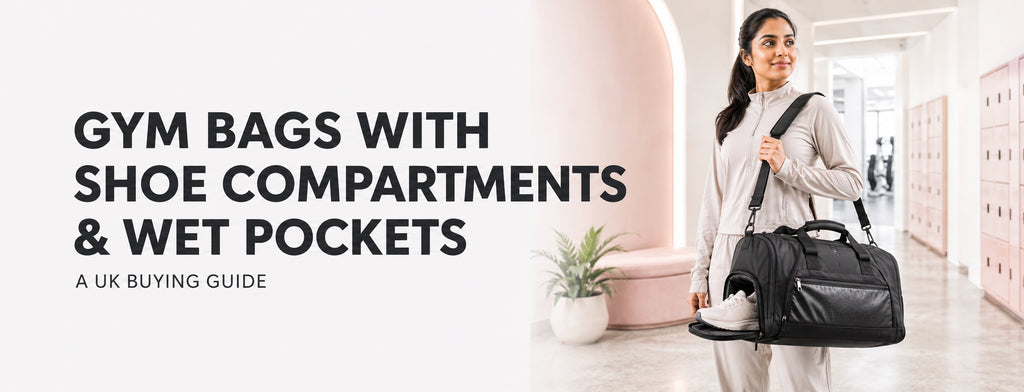
A good gym bag should do more than carry your workout clothes. It should help you keep trainers away from clean clothing, separate damp items and make everything easy to find when you are in a hurry.
For people travelling between home, work, the gym or a leisure centre, organisation can make a noticeable difference. This is why gym bags with separate shoe compartments and wet pockets have become such a practical choice.
Whether you need a compact bag for everyday workouts or a larger holdall for swimming, sports and weekend travel, this guide will help you find the right option. You can also explore the latest gym bags at Babus Clothing to compare different sizes, colours and features.
Why Does the Right Gym Bag Matter?
It can be tempting to use an ordinary tote or backpack for the gym. However, these bags are not always designed to carry trainers, damp towels, toiletries, workout clothing and water bottles together.
When everything is placed in one main compartment, clean clothes can come into contact with used trainers or wet swimwear. Smaller essentials can also become difficult to find at the bottom of the bag.
A purpose-designed gym bag provides better organisation. Separate sections allow you to pack everything neatly, while comfortable handles and shoulder straps make the bag easier to carry during your commute.
The right bag can also serve more than one purpose. Many modern gym holdalls are suitable for yoga classes, swimming, team sports, overnight stays and short journeys.
Why Choose a Gym Bag with a Shoe Compartment?
A separate shoe compartment is one of the most useful features to look for when buying a gym bag.
Trainers can carry dirt, moisture and odours after a workout. Placing them directly beside clean clothes, towels or personal items is rarely ideal. A dedicated compartment gives your footwear its own space and helps keep the rest of the bag organised.
A shoe section is particularly useful if you travel to the gym directly from work. You can keep your everyday shoes separate while exercising and store your trainers away once your workout is finished.
When comparing designs, check the size and position of the shoe compartment. It should be spacious enough for your usual footwear without taking up too much room inside the main section. Some larger bags also include ventilation to help reduce trapped moisture and unwanted smells.
For a spacious option, consider a 35L gym bag with a shoe compartment and wet pocket. Its larger capacity makes it suitable for workouts, swimming, sports and short trips.
What Is a Wet Pocket?
A wet pocket is a separate, water-resistant or lined section designed for damp belongings. It can be used for used gym clothing, swimming costumes, towels or small toiletries that could leak.
Keeping wet and dry items apart helps protect your clean clothing and other belongings. It also makes unpacking easier when you return home because everything that needs washing is already stored in one place.
This feature is especially valuable for swimmers and anyone who showers at the gym. Instead of wrapping damp items in a plastic carrier bag, you can place them directly inside the designated pocket.
A wet compartment should still be emptied after every use. Leaving damp clothing inside any bag for a long time can create unpleasant odours and encourage bacteria to develop.
What Size Gym Bag Should You Choose?
Gym bag sizes are often measured in litres. The right capacity depends on what you carry and how you plan to use the bag.
A 20L to 25L Gym Bag
A bag of approximately 20L to 25L is usually suitable for a standard workout. It can provide enough room for gym clothes, a small towel, trainers, toiletries and a water bottle without feeling unnecessarily bulky.
This size is a practical choice for people who prefer a lightweight bag or use public transport. Some 24L designs also include travel-friendly features such as trolley sleeves, adjustable straps and organised internal pockets.
The BAGSMART 24L women’s gym and travel bag combines a compact shape with a wet pocket and trolley sleeve, making it useful for workouts as well as overnight travel.
A 30L to 35L Gym Bag
A 30L to 35L bag offers more space for people carrying additional equipment, larger towels, a change of clothes or multiple pairs of shoes.
It is also better suited to swimming sessions, team sports and days when you are travelling directly between work and the gym. The additional capacity can make packing easier without forcing you to squeeze everything into a small compartment.
A Larger Gym Holdall
A larger holdall may be the best option if you carry bulky equipment or want one bag for exercise and weekend trips. However, a bigger bag is not always better. Consider how comfortably you can carry it when it is full and whether it will fit inside your gym locker.
Essential Features to Look for in a Gym Bag
Durable, Water-Resistant Material
British weather can be unpredictable, particularly if you walk or use public transport. A water-resistant outer material can help protect your belongings from light rain and accidental splashes.
Polyester is commonly used for gym and sports bags because it is lightweight, durable and relatively easy to clean. Check the stitching, handles and base as well as the main fabric. These areas often experience the most pressure during regular use.
Remember that water-resistant and waterproof do not mean exactly the same thing. A water-resistant bag can handle light moisture, but it may not keep everything dry during prolonged heavy rain.
Comfortable Carrying Options
A gym bag can become surprisingly heavy once it contains trainers, clothing, toiletries and a water bottle. Padded shoulder straps can make it more comfortable to carry, particularly during a longer commute.
Adjustable straps are useful because they allow you to change the carrying length. Strong grab handles are also helpful when lifting the bag into a locker, car or luggage compartment.
Some designs can be carried as a holdall, shoulder bag or backpack. A convertible option may suit cyclists, commuters and anyone who prefers to keep their hands free.
Useful Internal Organisation
Too many pockets can make a bag confusing, but too few can leave everything mixed together. Look for a practical balance.
A spacious main compartment should hold your clothing and towel, while smaller zipped pockets can secure your phone, keys, wallet and earphones. A side pocket for a bottle can also help prevent accidental leaks inside the bag.
Separate shoe and wet compartments are particularly valuable because they solve two of the most common gym-packing problems.
Secure Zips and Strong Stitching
Zips should move smoothly and close securely. Double zips can provide easier access to a large main compartment, particularly when the bag is full.
Pay attention to the stitching around the handles and shoulder-strap attachments. Reinforced stitching can improve durability and help the bag cope with heavier loads.
A Trolley Sleeve for Travel
If you plan to use your gym bag for overnight stays or short trips, a trolley sleeve can be a worthwhile feature. It allows the bag to slide over the handle of a suitcase, making it easier to move through stations and airports.
Before using any gym bag as cabin luggage, check its exact measurements against the current baggage allowance of your airline. Size limits can vary between airlines and ticket types.
For more options designed for short trips, browse the travel bags available at Babus Clothing.
Choosing a Gym Bag for Your Routine
For Everyday Workouts
If you normally carry one gym outfit, trainers, a towel and a water bottle, a compact or medium-sized bag should provide enough room. Choose a lightweight design with comfortable straps and easily accessible pockets.
For Swimming
Swimmers should prioritise a lined wet pocket. This allows you to separate your swimming costume and damp towel from dry clothing. A water-resistant outer material and easy-to-clean lining can also be beneficial.
For Work-to-Gym Travel
Look for a bag with several organised sections so you can keep office essentials away from workout gear. A smart, neutral colour can make the bag feel more suitable for commuting, while a padded shoulder strap will help when carrying it for longer periods.
For Sports and Training
Team sports and longer training sessions may require a larger capacity. You may need room for additional clothing, protective equipment, towels and larger footwear. In this situation, a 30L to 35L gym bag is likely to be more practical.
For Weekends and Overnight Stays
A spacious gym bag can double as a weekend holdall. Choose a design with a wide opening, secure pockets and enough room for clothing, toiletries and shoes. A trolley sleeve is useful if you regularly travel with a suitcase.
How to Organise Your Gym Bag
Start by placing clean clothing in the main compartment. Fold or roll each item to save space and make it easier to find. Keep smaller belongings such as your keys, phone and membership card inside a secure zipped pocket.
Place your trainers inside the shoe compartment rather than the main section. Toiletries should be kept in a small wash bag, even when the gym bag includes a wet pocket, as lids and bottles can occasionally leak.
After exercising, move used clothing and damp items into the wet compartment. Empty the bag when you return home and allow it to air before packing it again.
This simple routine keeps your bag organised and helps prevent lingering smells.
How to Keep Your Gym Bag Fresh
Never leave sweaty clothes, towels or trainers inside the bag overnight. Remove them as soon as possible and leave the compartments open so that air can circulate.
Wipe the lining regularly using a damp cloth and mild soap. Always check the manufacturer’s care instructions before washing the entire bag, as some materials and internal linings are unsuitable for machine washing.
Shoe compartments also need regular cleaning. Remove loose dirt and allow damp trainers to dry before storing them again.
Find the Right Gym Bag at Babus Clothing
A well-designed gym bag can make your daily routine more organised. Separate sections for shoes and wet clothing protect your clean belongings, while strong handles, adjustable straps and useful pockets make travelling more comfortable.
Before buying, think about your usual workout, how much you carry and whether you want the bag for travel as well. A compact 24L design may be ideal for everyday exercise, while a 35L bag provides extra room for swimming, sports or overnight stays.
Explore the complete collection of gym bags online at Babus Clothing and find a practical design for workouts, sports and travel.
Frequently Asked Questions
Are gym bags with shoe compartments worth buying?
Yes. A shoe compartment keeps dirty trainers away from clean clothing, towels and personal belongings. It also makes the bag easier to organise and unpack.
What size gym bag is best for everyday use?
A capacity of around 20L to 25L is generally enough for everyday workouts. If you carry a large towel, extra clothing, sports equipment or multiple pairs of shoes, a 30L to 35L bag may be more suitable.
What should I put inside a wet pocket?
Wet pockets can hold damp towels, used gym clothing, swimming costumes or other moisture-prone items. They should be emptied and aired after every use.
Can a gym bag be used as a weekend bag?
Yes. Many gym bags are spacious enough for overnight stays and short breaks. Designs with shoe compartments, wide openings and trolley sleeves are particularly useful for travel.
Can I use a gym bag as cabin luggage?
You may be able to use a gym bag as cabin luggage if it meets your airline’s size and weight restrictions. Always check the latest allowance directly with the airline before travelling.
How often should I clean my gym bag?
Empty and air your bag after every workout. Wipe the interior regularly and clean it more thoroughly whenever you notice dirt or odours. Always follow the care instructions provided with the bag.
